

We help you create impactful wellness resorts and tap into global wellness tourism opportunities. With 25+ years of leadership in 80+ countries, Dr Prem and Associates provide strategic planning, concept development, branding, and growth support to build sustainable, profitable wellness destinations.

We empower hospitals, facilitators, and governments to scale through world-class medical tourism consultancy. Leveraging Dr Prem’s expertise across 80+ countries, we drive assured global patient acquisition, international visibility, and long-term brand growth in healthcare.

We prepare your business for funding, partnerships, and international expansion. With access to 100,000+ industry stakeholders, 500,000+ social followers, 5 million monthly readers, and 2750+ clients, Dr Prem and Associates connect you with strategic allies to drive investor interest and business acceleration.

Dominate the digital space with AI-powered marketing and reputation tools. From AI avatars and smart video content to automated visibility and online brand management, Dr Prem’s AI Marketing Suite helps future-ready businesses elevate trust, engagement, and long-term growth.


We guide resort concept creation, market research, financial viability, investment strategy, and global wellness resort planning to ensure scalable, high-ROI development and assured investment planning.

We co-develop wellness spaces, therapy modules, SOPs, healing architecture, biophilic design, and wellness technology—ensuring experiential flow, operational efficiency, and wellness brand alignment.

From facilitator consultancy to global outreach, we help build strong personal brands, online reputation, marketing funnels, and event networking strategies for wellness professionals and businesses.

Dr Prem acts as your strategic wellness advisor—guiding retreat creation, execution, visibility, and monetization with influencer support, industry insights, and global promotion.

Launch or scale your medical tourism business with legal frameworks, SOPs, market feasibility, and proven strategic models tailored to 75+ international healthcare ecosystems.

We craft brand identity, SEO/AEO strategy, website, video, and content systems that elevate your medical tourism reputation and drive global patient trust.

Get guaranteed, high-intent leads via AI-powered Meta, Google & LinkedIn campaigns—plus connect with 100,000+ stakeholders through our outreach, networking, and global event programs.

We provide unmatched strategic advisory, patient management tools, telemedicine setup, digital records, and turnkey support for hospitals and facilitators seeking sustainable global growth.

AI-generated reels, stories, and carousels built with automation to engage global audiences across Meta, YouTube, and LinkedIn—ensuring daily visibility and brand consistency.
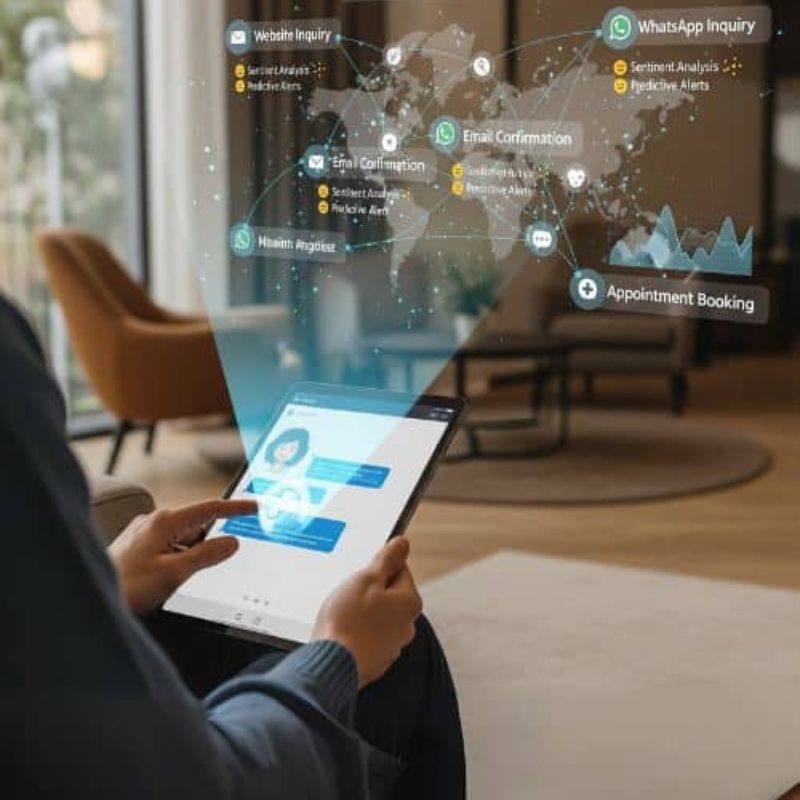
Grow real followers with AI lookalike targeting, precision audience mapping, and intelligent community engagement—ideal for hospitals, clinics, wellness brands, and facilitators.
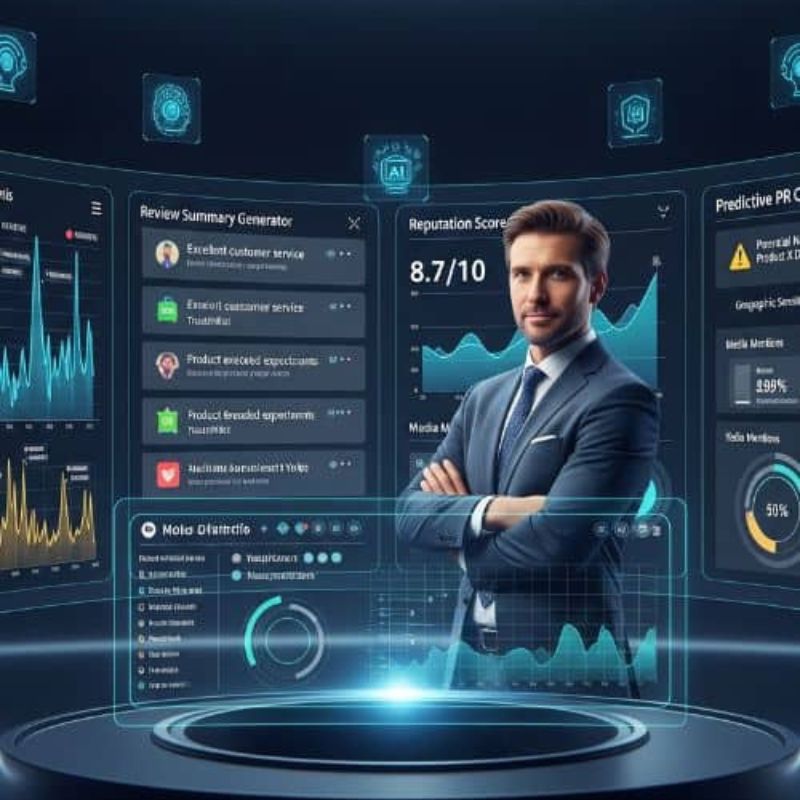
Replicate your influence using AI avatars, voice cloning, and talking heads—create multilingual, branded video content without recording every time.

Manage reviews, translate content in 20+ languages, and track sentiment using AI-powered tools for global reputation, SEO reach, and trust-building.
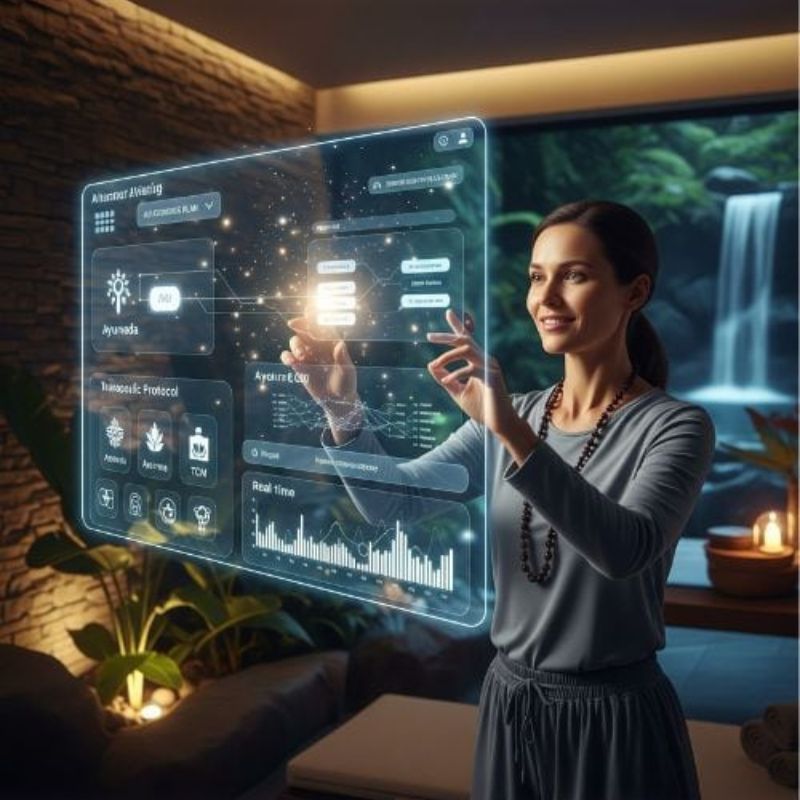
Showcase clinics or resorts with immersive AI-led virtual tours, branded walkthroughs, and video storytelling to convert leads and build global credibility.