

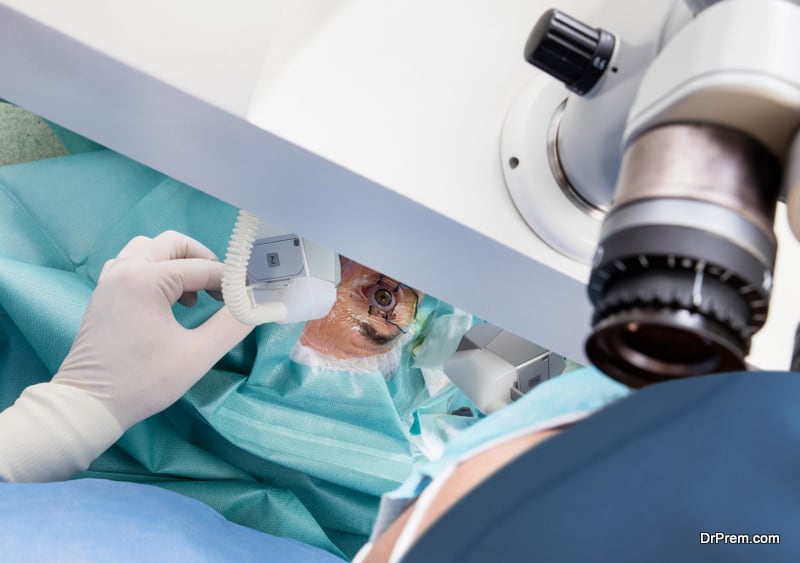
Lasik surgery is an eye surgery performed to correct myopia, hyperopia and astigmatism. By using a highly specialized laser the cornea is reshaped, which ultimately improves vision and reduces or eliminates the need for corrective eyewear. The surgery is performed only on patients aged 18years or above.
Lasik Surgery – Common Medical Tourism Procedures
-
What is Lasik Surgery Procedure?
-
Why Lasik Surgery is needed?
-
What are the Facts and Figures of Lasik Surgery?
-
Improved LASIK surgery with Ultrafast 3D Clinical imaging system ?
-
What are the Advantages and Disadvantages of Lasik Surgery?
-
What are the Risks and Complications of Lasik Surgery?
-
What is the Pre-operative and Post-operative care of Lasik Surgery?
What is Lasik Surgery Procedure?
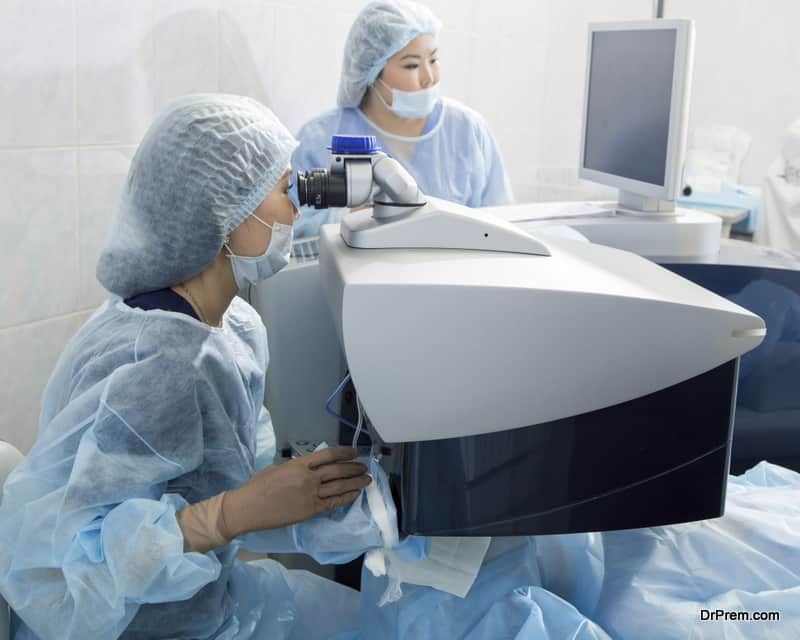
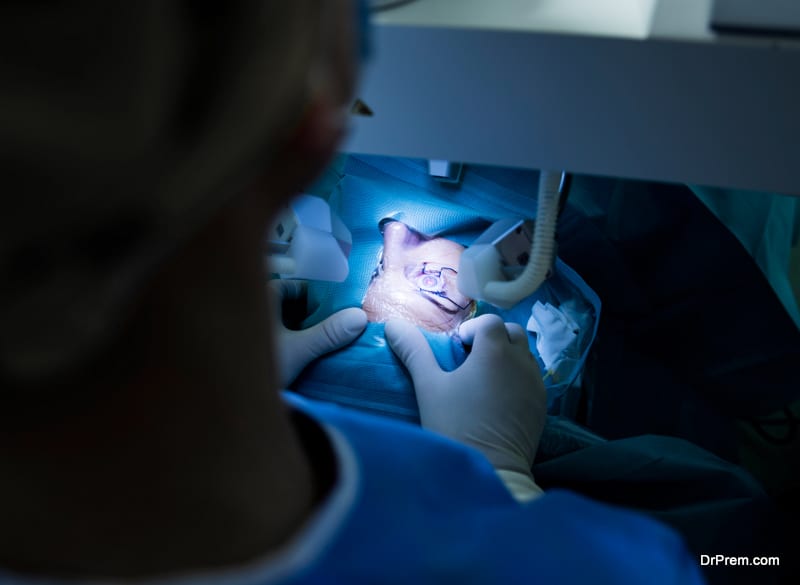
The surgeon makes a flap in the cornea, the white curved portion of the eye responsible for it refracting power. Then a laser is used to reshape the cornea to rectify the refraction problems. The entire operation is painless lasting for 10-20 minutes and the person can experience improved vision within a few hours. You may feel some discomfort while creating the flap. However, you need to give 2-3 months for your eyes to heal completely. A majority of persons who have taken kansas city LASIK surgery are satisfied with their vision for more than 10 years.
Why Lasik Surgery is needed?

Lasik surgery is advised in conditions that include:
- Myopia, nearsightedness, or short-sightedness
- Hyperopia, long-sightedness, or farsightedness
- Astigmatism
What are the Facts and Figures of Lasik Surgery?

Image Source : acevisiongroup.com
- Ioannis Pallikaris of Greece developed the technique of Lasik, in 1991.
- According to statistics, approximately 9 million Lasik surgeries have been performed in the United States since late 1995.
- According to reports from The American Academy of Ophthalmology in 2009, more than 700,000 Lasik procedures are performed each year. It also states nearly 800,000 LASIK and PRK are performed in 2010.
- Eyeglasses are the most preferred treatment for refractive error as 150milion Americans wear prescription eyeglasses to improve their vision (AAO 2009 Eye Health Statistics at a Glance report).
- Data from the Refractive Surgery Council states the number of laser-induced vision correction procedures in the US grew for consecutive 3 years in 2018 totaling 843,000 in combined LASIK, PRK and SMILE presenting a 6.2% growth increase from 2017.
The reason for the growth stems from the better understanding of the procedure where patients feel assured of the safety aspect. Growing number of happy customers are also contributing to the popularity graph of LASIK.
It is the baby boomers who have fuelling the popularity as they feel doing things to improve their image and wellbeing. Expanding treatment modalities might bring a larger pool of customers. Furthermore, technological advancements are promising better diagnostics and treatment outcomes.
Improved LASIK surgery with Ultrafast 3D Clinical imaging system?
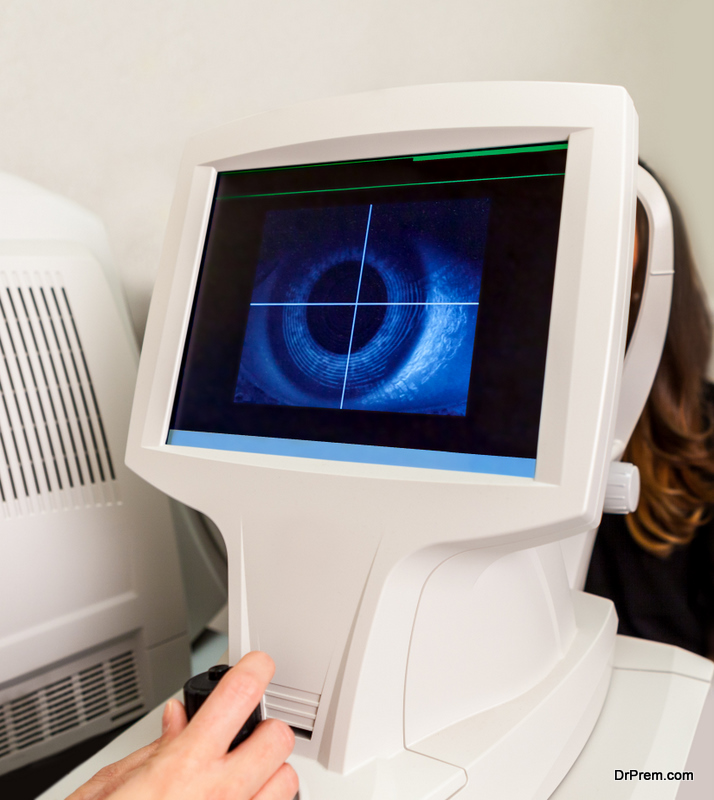
Given the popularity of LASIK surgery in the US, Kirill Larrin a professor of the University of Houston assures a better prognosis of this surgery by giving more details of the cornea by measuring corneal elasticity which is a vital component of the sharpness of vision. A novel imaging procedure of assessing corneal elasticity which current eye surgeons do not have access to could potentially change the diagnostic procedures related to various corneal diseases and treatment. The existing Optical Coherence Tomography (OCT) will be upgraded to provide ultrafast 3D images by combing Brillouin microscopy with OCT and OCE (Optical Coherence Elastography) creating a new BOE that uses highly localized air pressure stimulation.
The instrument prototype has successfully demonstrated its capability in assessing the biomedical properties of cornea in-vitro and in-vivo and created analytical models that would influence decision making in selecting treatments and instruments.
What are the Advantages and Disadvantages of Lasik Surgery?
Advantages:
- Lasik accurately corrects most levels of myopia (nearsightedness) hyperopia (farsightedness), and astigmatism.
- Short duration of the procedure as it can be completed within 10 to 15 minutes and is generally a painless procedure.
- Results are achieved mostly in a single treatment.
- The surgery has greatly increased visual outcomes and has improved the quality of life of many people.
Disadvantages:

- In some cases, due to poor results of Lasik patients may have a vision problem, with glare and halos.
- Dryness of eyes
- Patients above the age of 45 may require glasses for reading
What are the Risks and Complications of Lasik Surgery?
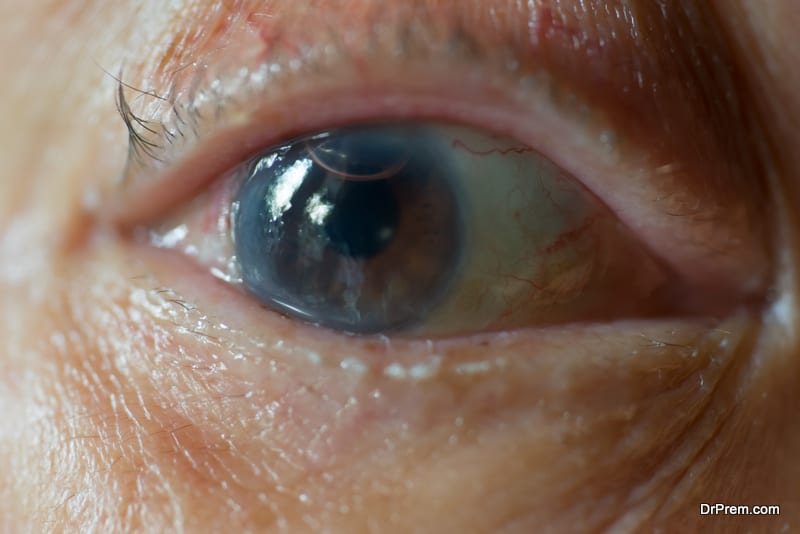
- Corneal infection and scarring
- Misshapen cornea
- Inability to wear contact lenses
- Decreased distance vision at high altitudes
- Decrease in contrast sensitivity
- Vision loss
What are the Pre-operative and Post-operative care of Lasik Surgery?
Pre-operative preparation:
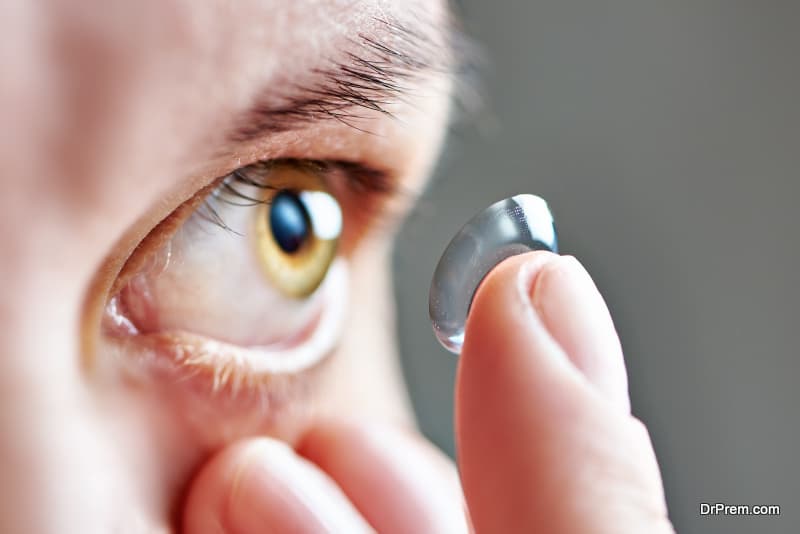
- Patients wearing soft contact lenses need to stop using them 5 to 21 days before surgery.
- Full eye examination by ophthalmologist.
- Inform the surgeon regarding previous eye surgery or any treatment related to eye disease and have him/her prescribe a list of medicines to be taken before surgery as well as advice on medicines that need to be discontinued.
- Inform doctor about any allergies as well as smoking and alcohol consumption patterns. Quit smoking.
- Put eye drops regularly as per prescription.
- Arrangements for leave from work, help at home, help with driving and post surgery care.
- Do not eat or drink anything after midnight the night before surgery.
- Medical tourists are advised to select a comfortable and handicapped equipped hotel room, for recovery after discharge.
Post-operative care:

- After the surgery an eye patch or shield is placed to protect and prevent rubbing and touching of the operated eye.
- Patient needs to wear dark glasses while outdoors in the sun.
- There may be burning, itching at the eye and sometimes blurry vision, immediately after the surgery.